November 18, 2026
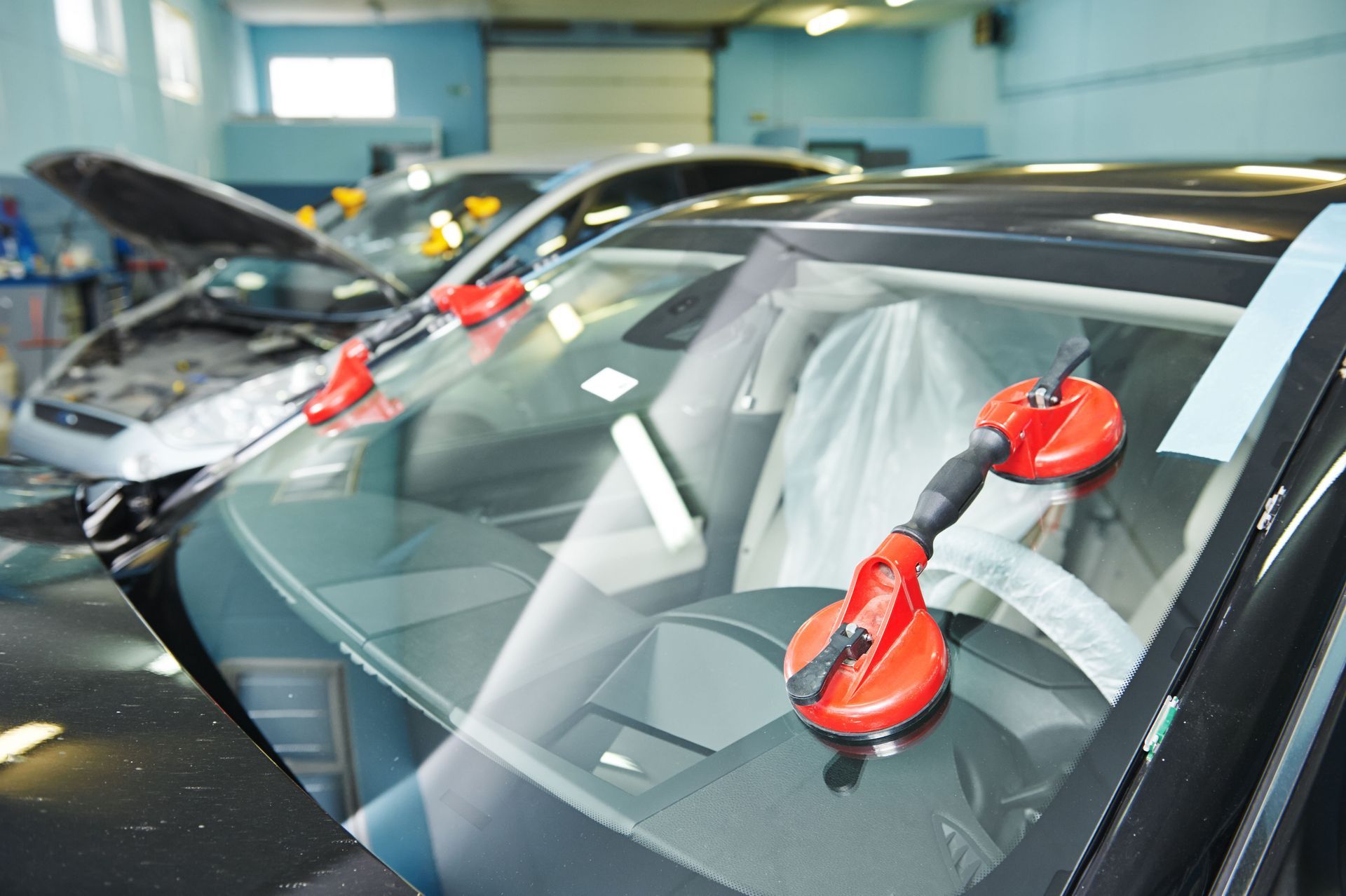
Auto glass damage is a common issue for vehicle owners. Whether it's a small chip or a large crack, delaying repairs can have serious consequences. In this article, we will explore the reasons why prompt auto glass repairs are essential for safety, financial, and practical reasons. Timely attention to auto glass damage ensures optimal vehicle performance while preventing avoidable expenses. By understanding the risks associated with delayed repairs, vehicle owners can make informed decisions.
The Risks of Compromised Vehicle Safety
The Importance of a Clear View
Ensuring a clear view through your vehicle’s windshield is paramount for safe driving. Even a small chip can expand and obstruct visibility when left unattended. This obstruction becomes particularly hazardous under sunlight or during night drives, leading to increased risk of accidents. According to The Zebra, US federal law states that vehicles must have a windshield that is free of discoloration or damage in the driver's view, except for a 2-inch top border and 1-inch side borders. Ensuring compliance with these standards not only adheres to the law but also safeguards against unnecessary dangers on the road.
The Role of Auto Glass in Structural Integrity
Auto glass plays a crucial role in maintaining the structural integrity of a vehicle. The windshield accounts for up to 30% of the structural strength in a rollover accident. Compromised auto glass weakens this integrity, making the vehicle more susceptible to severe damage during a collision. Prompt repairs ensure the windshield can effectively support the vehicle frame, offering enhanced protection to passengers. Ignoring necessary repairs increases vulnerability, potentially escalating minor damage into a critical safety issue.
Potential for Windshield Ejection in Accidents
The integrity of the windshield is vital in preventing occupant ejection during collisions. In the event of a crash, a compromised windshield may not provide the necessary support, leading to increased risk of passengers being ejected. The adhesive bond, essential for keeping the windshield intact, is weakened by delays in repair. Ensuring that the glass is in optimal condition by addressing damage promptly significantly reduces these risks. This underscores the importance of prioritizing auto glass repairs not only for visibility but also for critical safety functions.
The Impact on Airbag Deployment
An intact windshield ensures proper airbag deployment during an accident. Windshields act as a backstop for airbags, which need to inflate effectively to cushion occupants. Damaged windshields can interfere with this process, leading to faulty airbag deployment. Timely repair or replacement of compromised auto glass contributes significantly to efficient airbag function. Neglecting auto glass damage could impair airbag performance, amplifying the risk of injury during accidents.
Risks during Weather Conditions
Driving with a damaged windshield becomes even more hazardous under adverse weather conditions. Rain or snow can seep into cracks, further obscuring the driver's view. Moreover, damaged glass is prone to fogging, which worsens the problem during humid or cold weather. Quick attention to auto glass damage ensures that visibility is maintained, irrespective of weather conditions.
Prioritizing such repairs can drastically reduce the likelihood of weather-related incidents on the road.
Escalating Damage and Repair Costs
From Small Chips to Large Cracks
Small chips in auto glass, if ignored, can quickly escalate into large cracks. Temperature fluctuations and vibrations from driving can cause these tiny imperfections to expand rapidly. This progression not only exacerbates safety risks but also transforms a simple repair into a costly replacement. Addressing minor damage immediately can prevent escalation, saving time and money in the long run. Investing in quick fixes as opposed to letting problems grow yields significant financial benefits over time.
The Cost Difference Between Repair and Replacement
Repairing small chips and cracks is considerably more cost-effective than replacing an entire windshield. The longer the damage is allowed to persist, the less likely it is that a simple repair will suffice. Replacement costs, factoring in both materials and labor, far exceed the expenses associated with straightforward repairs. Prioritizing immediate attention to auto glass damage is a financially prudent strategy. By avoiding expensive replacements, vehicle owners can efficiently manage their repair budgets.
The Role of Environmental Factors in Damage Progression
Environmental factors, such as temperature extremes and road conditions, play a significant role in auto glass damage progression. Changes in temperature cause the glass to expand and contract, promoting crack growth. Road debris and frequent vibrations can also contribute to escalating damage. Recognizing and addressing these factors can mitigate the impact on auto glass integrity. Tackling damage promptly curtails the influence of environmental factors, thus preserving the condition of your auto glass longer.
Insurance Implications of Delayed Repairs
Delaying auto glass repairs can have significant implications for insurance coverage. Many insurance policies stipulate timely attention to all vehicle damages to qualify for certain benefits. Ignoring auto glass issues can result in denial of claims or increased premiums. Ensuring prompt repairs align with policy requirements, safeguarding owners from unexpected financial liabilities.
By harnessing insurance coverage effectively, owners can maintain lower out-of-pocket costs and prevent future policy complications.
Long-term Financial Burdens
Procrastinating on auto glass repairs can lead to long-term financial consequences. The immediate savings perceived by delaying service are often dwarfed by the cumulative costs of increased damage. Additionally, persistent auto glass issues can incur more extensive vehicle damage, translating to higher repair expenses. Allocating resources towards immediate repairs is a preventive measure against significant future expenditures. Strategic maintenance affords better fiscal health over the lifespan of vehicle ownership.
Legal and Regulatory Concerns
Vehicle Inspection Laws
Many jurisdictions enforce vehicle inspection laws that mandate auto glass to be in optimal condition. Failure to meet these requirements can result in fines, failed inspections, or prohibition from driving the vehicle. The Zebra highlights that US federal law mandates a clear windshield view for drivers, with only specific border allowances for minor damage. Vehicle owners must remain vigilant about local regulations to avoid legal complications. Compliance through timely repairs ensures adherence to these legal standards, promoting safer driving environments.
Legal Consequences of Neglected Repairs
Neglected auto glass repairs can have legal repercussions that extend beyond simple fines. Should an accident occur due to impaired visibility from windshield damage, liability can fall on the vehicle owner. Courts may view the failure to repair as negligence, leading to unfavorable legal outcomes. Demonstrating consistent vehicle upkeep by addressing glass damage is a proactive legal strategy. Such diligence not only deters legal consequences but also emphasizes responsible vehicle ownership.
Insurance Policy Requirements
Insurance policies often include clauses requiring routine auto maintenance, including glass repairs, to remain in good standing. Failure to comply can lead to denial of claims, especially if an unresolved defect contributes to an accident.
Existing damage must be rectified within stipulated time frames to maintain coverage. Understanding and complying with these requirements protect against potential financial risks. Regular dialogue with policy providers can facilitate better adherence to these obligations.
The Risk of Traffic Citations
Driving with a damaged windshield can attract traffic citations in many areas. Law enforcement agencies prioritize vehicle safety, penalizing perceived risks to drivers or other road users. Traffic violations not only incur immediate financial costs but may also impact insurance premiums. Proactively managing auto glass damage helps avoid these penalties. By ensuring compliance with traffic laws, drivers promote safer roads and manage associated costs more effectively.
In conclusion, delaying auto glass repairs can pose significant safety, financial, and practical challenges. By understanding the risks and implications outlined above, vehicle owners can make informed decisions that prioritize safety, cost-effectiveness, and environmental responsibility. Taking timely action not only protects you and others on the road but also safeguards the investment in your vehicle. Prompt repairs align with legal requirements and help maintain vehicle aesthetics and value. Embrace the benefits of timely auto care as it ensures longevity, sustainability, and reliability in your automotive journey. Be sure to reach out to City Auto Glass today to learn more about our professional glass repairs!