November 20, 2026
A chipped or cracked windshield is far more than a minor visual annoyance on your daily commute. Modern vehicle glass plays a vital structural role in supporting cabin roof strength, ensuring proper passenger airbag deployment, and housing sensitive driver assistance cameras. When flying gravel or road debris strikes your windshield or side window, addressing the damage promptly keeps small surface blemishes from spreading across your line of sight while preserving the overall safety integrity of your vehicle.
Selecting the right service provider makes all the difference in how safely, cleanly, and durably your vehicle is restored. Before scheduling an appointment for glass repair, taking a few moments to ask thoughtful, targeted questions helps you evaluate technician qualifications, material standards, and safety procedures. Knowing what to look for empowers drivers to choose a dedicated shop committed to meticulous workmanship, clear communication, and lasting road readiness.
1. What Type of Glass and Adhesives Do You Use?
Not all replacement auto glass and bonding materials deliver the same optical clarity, acoustic insulation, or structural durability. Original equipment manufacturer glass and original equipment equivalent glass are engineered to match the exact curvature, thickness, solar tinting, and acoustic interlayer specifications of your vehicle. Lower-grade aftermarket panels can introduce subtle visual distortion near the edges, create unwanted wind whistle at highway speeds, or fail to align seamlessly with factory weatherstripping and trim moldings.
Equally important is the urethane adhesive system used to bond the glass securely to your vehicle frame. High-modulus, non-conductive urethanes formulated specifically for modern automotive applications restore factory structural rigidity, protect sensitive antenna and heating elements, and prevent moisture leaks. Asking technicians about their glass sourcing and adhesive standards confirms they prioritize long-term structural performance and crystal-clear visibility rather than cutting corners with inferior materials.
2. What Training and Safety Standards Do Your Technicians Follow?
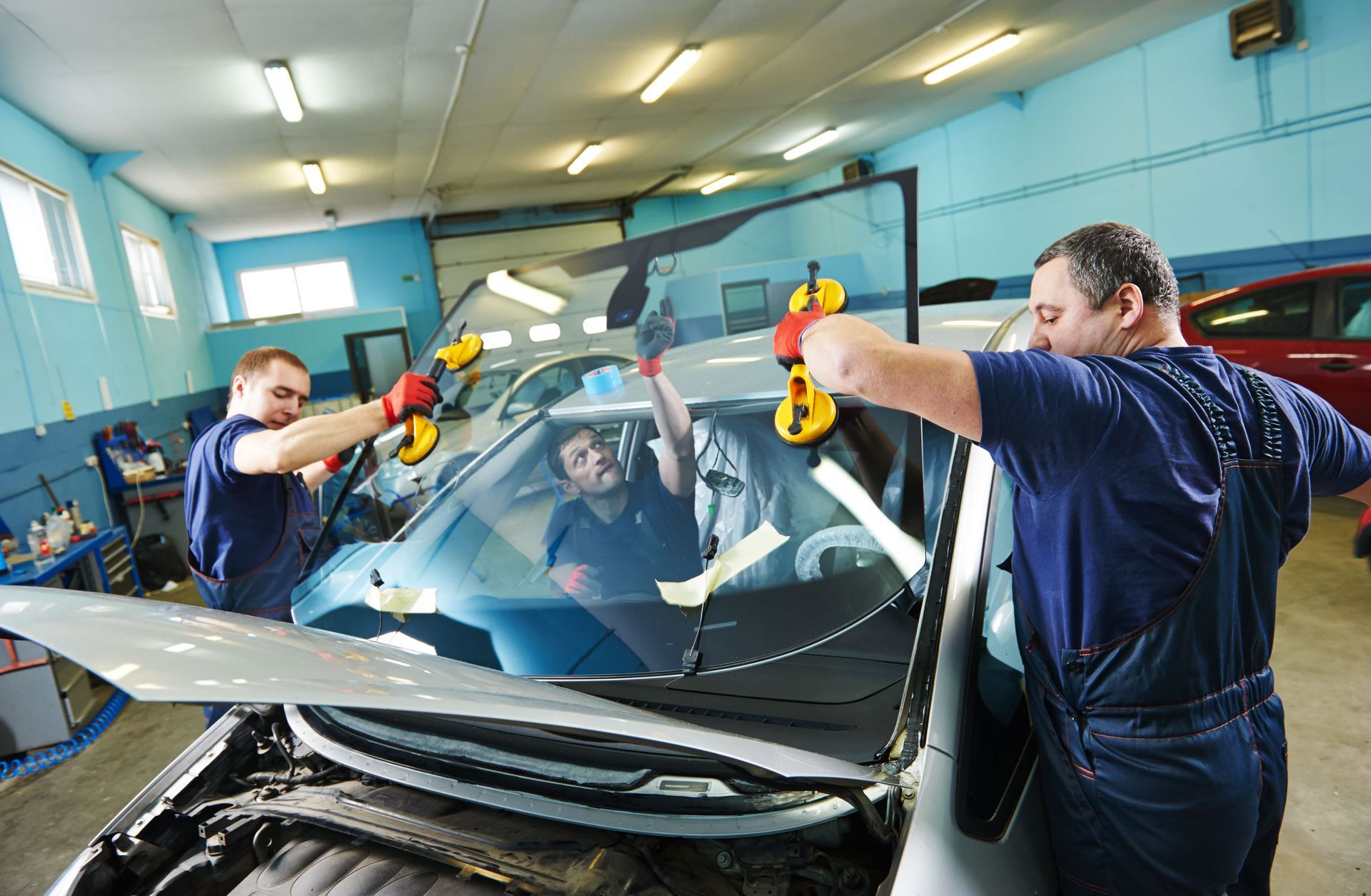
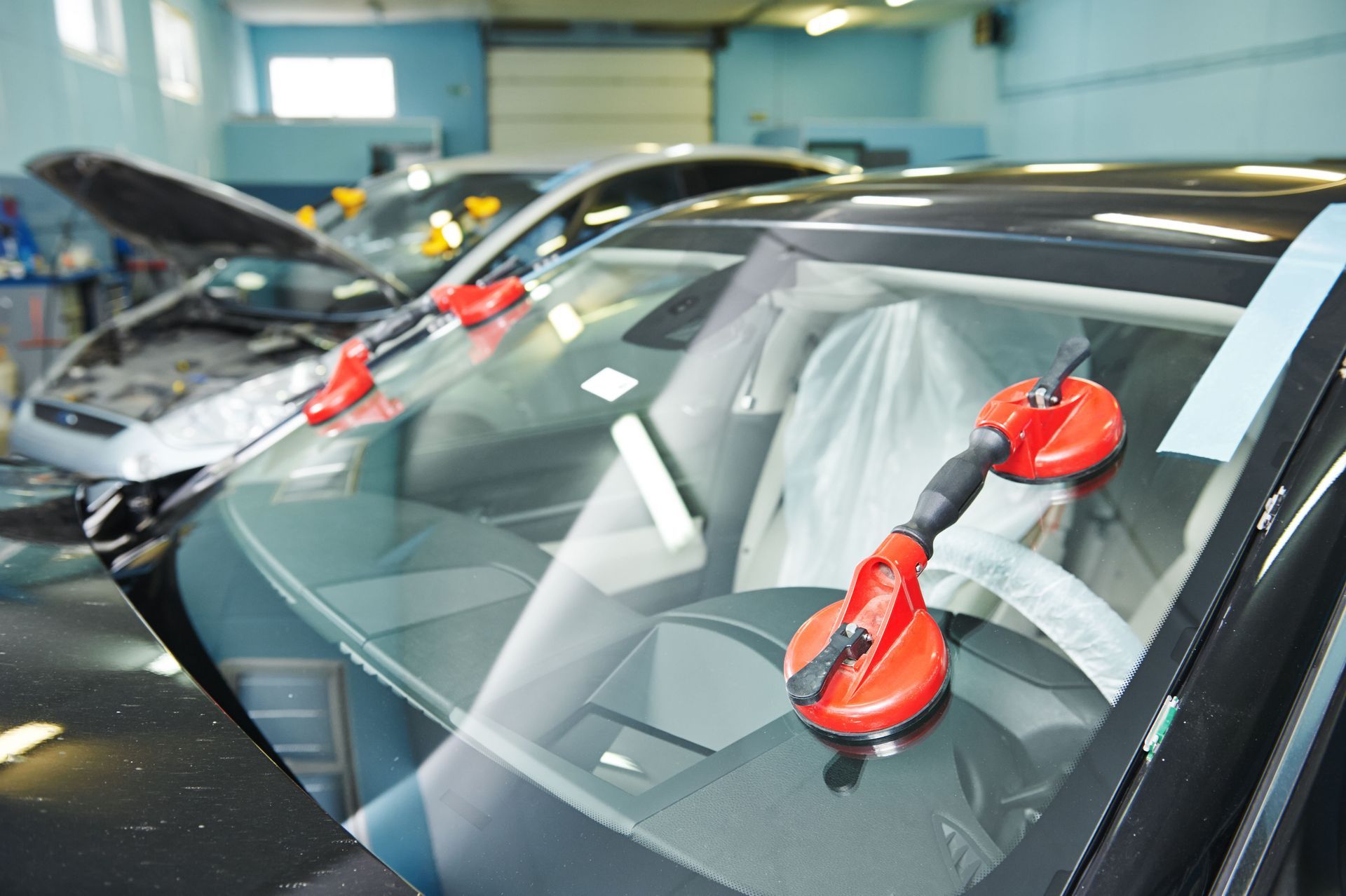
Proper windshield and window restoration requires specialized technical skill, precision removal tools, and strict adherence to established automotive safety protocols. Removing damaged glass without scratching painted pinch welds, preparing bonding surfaces cleanly, applying primer accurately, and setting heavy glass panels with exact alignment demand extensive hands-on experience. Even minor installation mistakes can compromise cabin weather sealing, trigger rust around the frame, or weaken structural support during a collision.
According to Window and Door, roughly 30% of all automotive insurance claims stem from damaged auto glass, mostly involving windshields. Because windshield incidents occur so frequently on busy roadways, reputable shops prioritize ongoing technician training and industry-recognized installation standards. Asking about technician background, continuing hands-on education, and adherence to recognized Auto Glass Safety Council guidelines gives you clear insight into the crew handling your vehicle.
3. What Steps Do You Take to Recalibrate Driver Assistance Systems?
Many late-model cars, trucks, and SUVs rely on forward-facing cameras, rain sensors, and optical modules mounted directly behind the windshield to power lane departure warnings, automatic emergency braking, traffic sign recognition, and adaptive cruise control. Whenever a windshield is removed or replaced, even a tiny shift in camera mounting angle or glass refraction can alter how these safety features read lane markings and traffic distances ahead.
Before committing to glass repair or windshield replacement on a sensor-equipped vehicle, ask whether the facility performs static, dynamic, or dual-target recalibration in-house. Confirming that technicians use factory-compliant diagnostic scan tools and provide post-calibration verification documentation ensures your driver assistance features function accurately and reliably before you return to highway driving. Skipping proper sensor calibration can leave critical collision avoidance systems misaligned when you need them most.
4. What Criteria Determine Whether Damage Needs Repair or Replacement?
Small rock chips, bullseyes, and minor surface star breaks can often be stabilized with specialized resin injection if addressed before road grime, trapped moisture, or sudden temperature swings cause cracks to spread. Professional resin restoration penetrates deep into the damaged area, bonds the fractured glass layers together, restores structural strength, and improves optical clarity without disturbing the original factory seal around the windshield perimeter.
However, deep cracks, damage located directly inside the driver's primary viewing area, or fractures extending to the outer edge of the glass typically require full panel replacement to maintain structural integrity. Experienced professionals performing glass repair will inspect the depth, location, and pattern of the damage honestly and explain clearly why a resin fill or full replacement is the safest recommendation for your vehicle. Understanding their evaluation process prevents unnecessary guesswork and protects your visibility on every road.
5. What Measures Protect My Vehicle Interior and Paint During Service?
Removing shattered or cracked auto glass involves sharp fragments, chemical primers, and heavy panels that can easily mar dashboard surfaces, leather or fabric upholstery, or exterior fender paint if proper precautions are skipped. Conscientious technicians treat every vehicle with care by laying down protective fender covers, dashboard drapes, and seat coverings before picking up any removal tool.
During your consultation for glass repair, ask how the crew prevents scratches to the metal pinch weld, protects interior A-pillar trim panels, and thoroughly vacuums broken glass particles from seats, defroster vents, and door tracks. Attention to cleanliness and surface protection reflects a shop culture built around genuine respect for your vehicle and thorough craftsmanship from start to finish. Asking about protective procedures also confirms that technicians wear clean nitrile gloves to keep fresh urethane surfaces uncontaminated by skin oils or shop debris.
6. What Timeline and Warranty Coverage Protect Your Workmanship?
After a new windshield is set into place, the urethane adhesive requires a specific safe drive-away curing period to reach sufficient bonding strength before the vehicle can be driven safely on public roads. Driving too soon can shift the glass alignment, create wind noise, or weaken the structural seal needed to support passenger airbags during an emergency stop. Reliable technicians clearly explain curing times based on current ambient temperature and humidity conditions. Following their recommended waiting period ensures the bond cures properly so your vehicle remains safe and weather-tight on the road.
Alongside clear scheduling expectations for glass repair, ask about written warranty protection covering air leaks, water intrusion, stress cracks, and workmanship defects. Dependable shops stand firmly behind their installations, verify proper wiper and sensor operation before handoff, and assist smoothly with insurance claim paperwork so the entire process stays convenient and straightforward from initial inspection through final delivery.
Taking time to ask informed questions before scheduling glass repair protects your visibility, cabin comfort, and vehicle safety on every drive. Evaluating glass quality, technician training, sensor recalibration capabilities, honest damage assessments, vehicle protection habits, and workmanship warranties helps you choose a service team dedicated to doing the job right. Whether you are dealing with a fresh rock chip on your morning commute or a spreading windshield crack that requires full replacement, prompt attention keeps minor glass damage from becoming a major road hazard. Taking proactive steps today ensures your windshield remains clear, quiet, and structurally sound in every weather condition throughout the year, giving you complete peace of mind whenever you get behind the wheel for daily errands, family outings, or long highway trips across town or across the state.
If you are ready to restore clear visibility and structural safety to your vehicle, contact us at City Auto Glass today. We will help you schedule prompt, dependable glass repair service tailored to your specific vehicle model, safety equipment, and daily driving needs.